
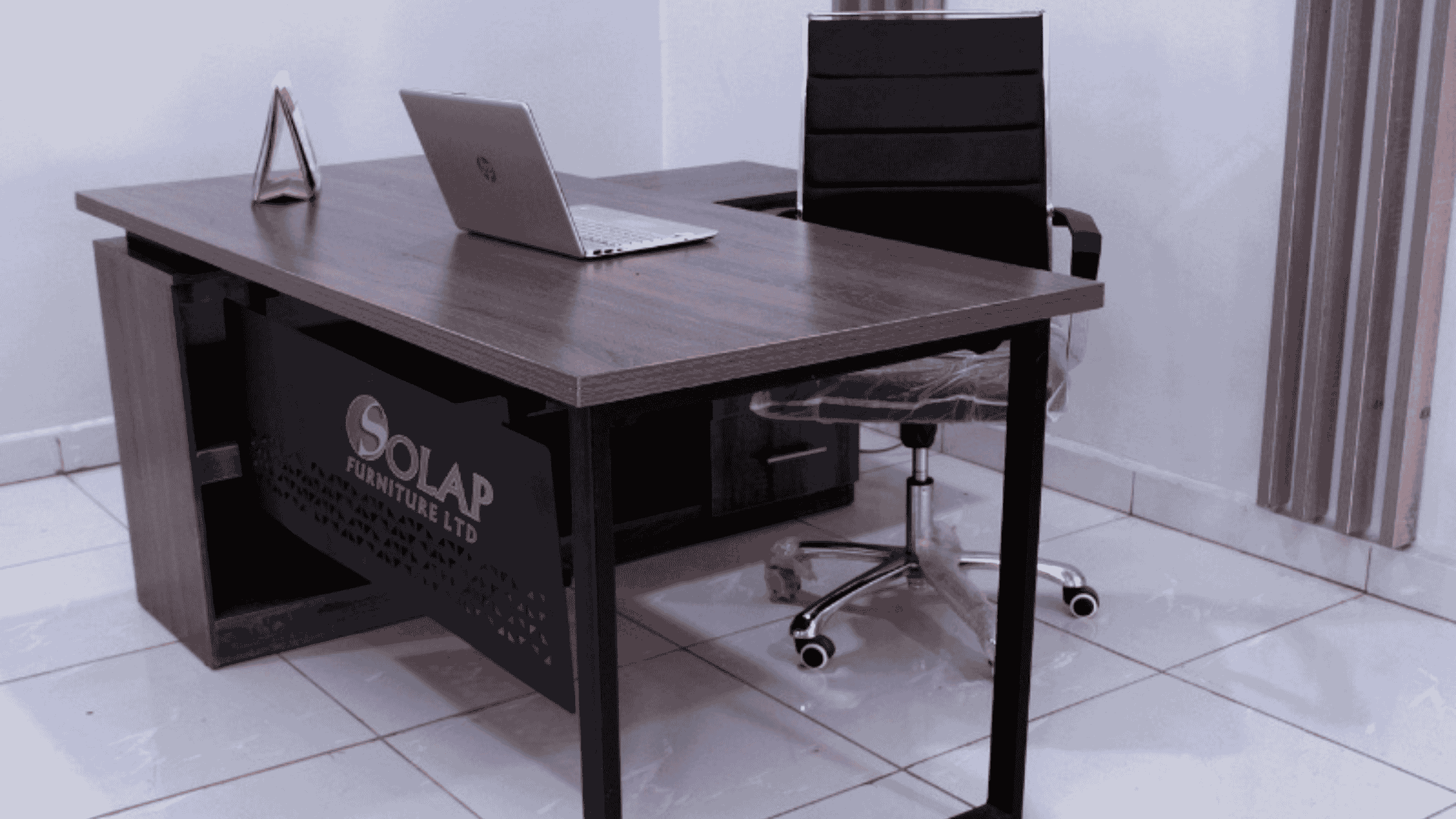
When furnishing schools and lecture halls, the goal is not just to fill a space, it’s to create an environment that supports learning, comfort, and long-term use.
Many institutions make the mistake of focusing only on price or appearance. But in reality, the right furniture should be durable, ergonomic, and suited for high-traffic use.
Here are the key things every school and institution should consider before making a decision.
1. Durability for High-Traffic Use
School furniture is used daily—and often heavily. Students lean, shift, and move constantly, so the furniture must be strong enough to handle continuous use.
Look for:
- Solid frame construction
- High-quality materials
- Reinforced joints and fittings
Furniture that isn’t built for durability will wear out quickly, leading to frequent repairs or replacements.
2. Ergonomic Design for Comfort
Comfort plays a big role in how well students can focus and learn. Poorly designed furniture can lead to discomfort, restlessness, and even health issues over time.
Good school furniture should:
- Support proper sitting posture
- Provide adequate back support
- Be designed with user comfort in mind
Ergonomic furniture helps students stay focused and improves their overall learning experience.
3. Space Efficiency and Layout
Lecture halls and classrooms often need to accommodate many users within limited space. The furniture you choose should allow for proper arrangement without overcrowding.
Consider:
- Compact and structured designs
- Collapsible or fixed seating options, depending on layout
- Easy movement and arrangement
Efficient use of space improves both functionality and safety.
4. Ease of Maintenance and Refurbishment
Furniture in schools will eventually need maintenance. The key is choosing options that are easy to repair rather than replace.
Look for:
- Materials that are easy to clean
- Designs that allow parts to be fixed or replaced
- Locally made options that support refurbishment
This helps reduce long-term costs and extends the life of the furniture.
5. Strength of Materials
Not all materials are suitable for school environments. Some may look good initially but fail under regular use.
Ensure the furniture is made with:
- Strong, tested materials
- Surfaces resistant to wear and tear
- Finishes that can withstand daily cleaning
The right material choice directly impacts how long the furniture will last.
6. Custom Fit for the Environment
Every school and lecture hall is different. Standard, one-size-fits-all furniture may not meet specific needs.
It’s important to choose furniture that:
- Fits the available space properly
- Matches the usage requirements
- Aligns with the institution’s structure and layout
This ensures better usability and long-term satisfaction.
A Smarter Choice for Schools and Institutions
This is where Solap Furniture stands out.
With a deep understanding of how furniture is used in Nigerian schools and lecture halls, Solap Furniture designs products based on ergonomics, durability, and real-life conditions. Their solutions are built to handle high usage while maintaining comfort and structural integrity.
From lecture seats to classroom furniture, every product is designed to support effective learning and long-term value.
Buying furniture for schools and lecture halls is a long-term investment. Focusing only on cost can lead to poor outcomes, frequent replacements, and discomfort for users.
Instead, prioritize durability, comfort, and functionality.
When you choose the right furniture from the start, you create a better learning environment—and save costs in the long run.